Bluetooth speakers have become an essential part of our everyday lives, transforming how we enjoy music. Compact, wireless, and easy to carry, these speakers deliver impressive sound quality anywhere — whether you’re relaxing at home, spending time at the beach, or hosting a backyard party. What truly makes this freedom possible is the built-in battery inside each Bluetooth speaker.
The battery powers every component of your speaker, enabling wireless audio playback. Choosing the right Bluetooth speaker battery is crucial because a poor-quality one can cause shorter playtime, overheating, or even internal damage. On the other hand, a high-quality portable speaker battery ensures longer runtime, consistent performance, and greater safety — keeping your music going wherever life takes you.
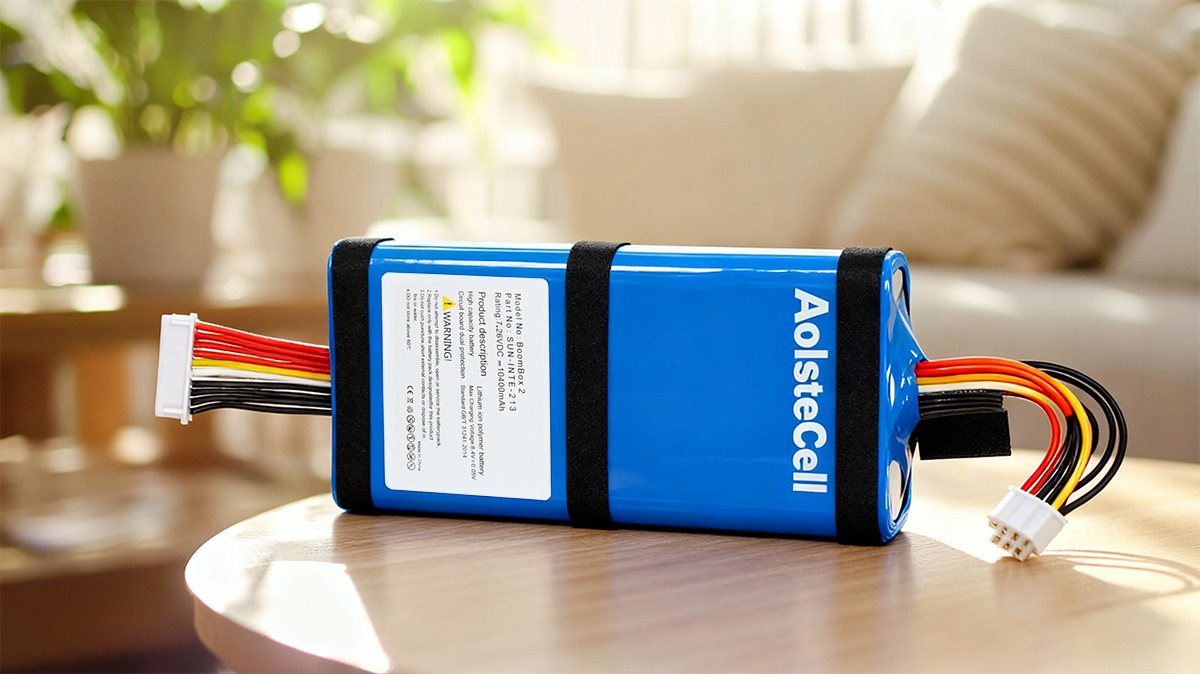
Not all batteries are created equal. Different speaker models rely on different battery types, each with its own strengths and weaknesses. Below are the most common types of portable speaker batteries:
The most popular type in Bluetooth speakers, lithium-ion batteries are known for their high energy density, light weight, and fast charging speed. They strike an excellent balance between power and efficiency, making them ideal for medium to high-end portable speakers. While improper use can cause mild overheating, they remain the industry standard for modern Bluetooth speakers.
Li-Po batteries are a more advanced version of Li-Ion. They’re lighter, safer, and can be molded into various shapes, allowing for more creative and slim speaker designs. Although they cost slightly more, their stability and performance make them perfect for premium Bluetooth speakers that emphasize both style and durability.
These batteries were once widely used but are now less common. They’re inexpensive and relatively safe but have lower capacity, weigh more, and take longer to charge. You’ll mostly find them in older or budget Bluetooth speakers.
Heavy and bulky, but extremely durable. Lead-acid batteries are used in large, non-portable Bluetooth speakers, such as those designed for outdoor or event use, where high power output is more important than portability.
Non-rechargeable and affordable, alkaline batteries are typically found in low-power or mini Bluetooth speakers. While convenient, they deplete quickly and are not environmentally friendly, making them unsuitable for long-term or frequent use.
Choosing the right replacement battery is not just about size or brand — it’s about compatibility, safety, and performance. Here’s what to consider:
Before purchasing a replacement battery, confirm it matches your speaker’s specifications. Refer to the user manual or manufacturer’s website for the correct voltage and battery model. Using the wrong battery can reduce performance or even damage the speaker.
Key technical factors to evaluate:
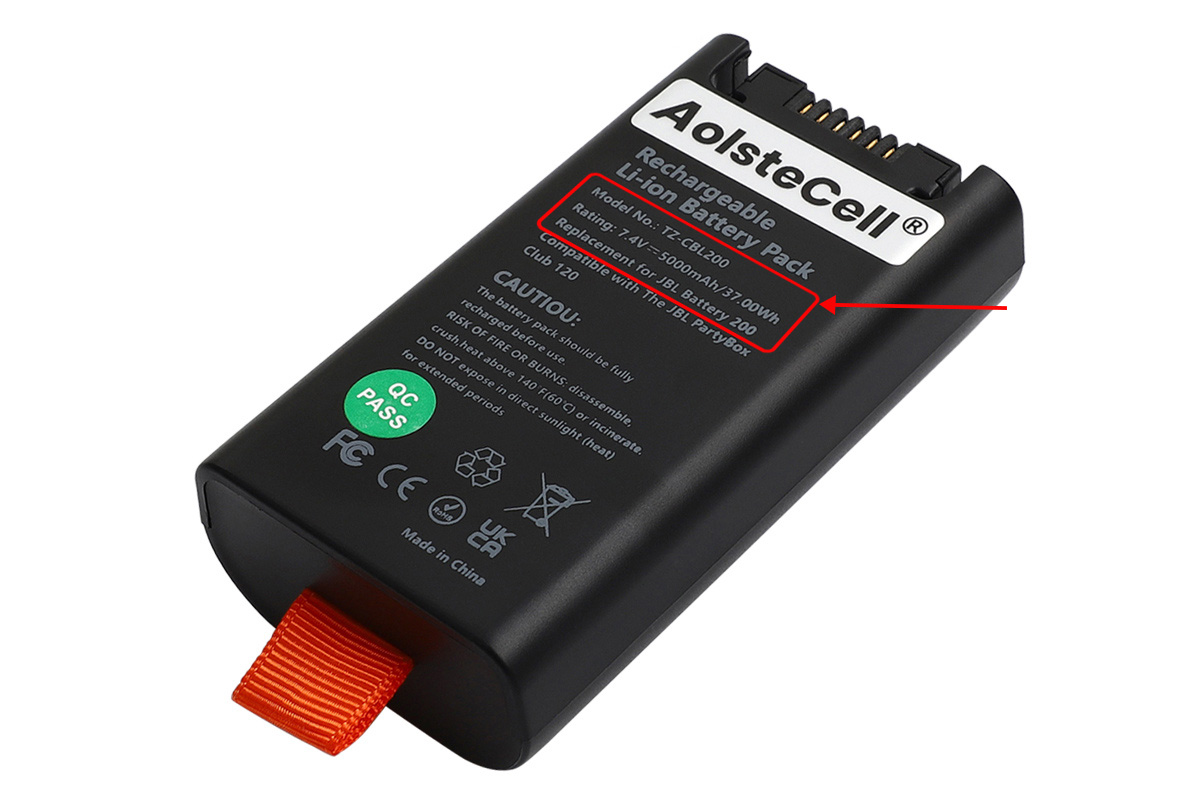
Using an original battery can be a good choice, as it’s designed and tested for a specific model, ensuring optimal compatibility. However, OEM batteries can be expensive or hard to find.
Proper maintenance extends your battery’s life, maintains performance, and helps you save money in the long run. Follow these practical tips:
| Issue | Possible Cause | Solution |
|---|---|---|
| Speaker won’t power on | Battery depleted or disconnected | Recharge or reinstall the battery |
| Short playtime | Battery aging | Perform a full charge cycle or replace the battery |
| Not charging | Faulty charger or cable | Try a different charger or port |
| Overheating | Excessive use or internal fault | Stop using and let it cool down |
| Swelling or leakage | Internal damage | Dispose of safely and replace immediately |
| Wrong battery reading | Calibration error | Perform a full discharge/recharge cycle |
| Corroded contacts | Dirt or oxidation | Clean gently with a dry cloth |
